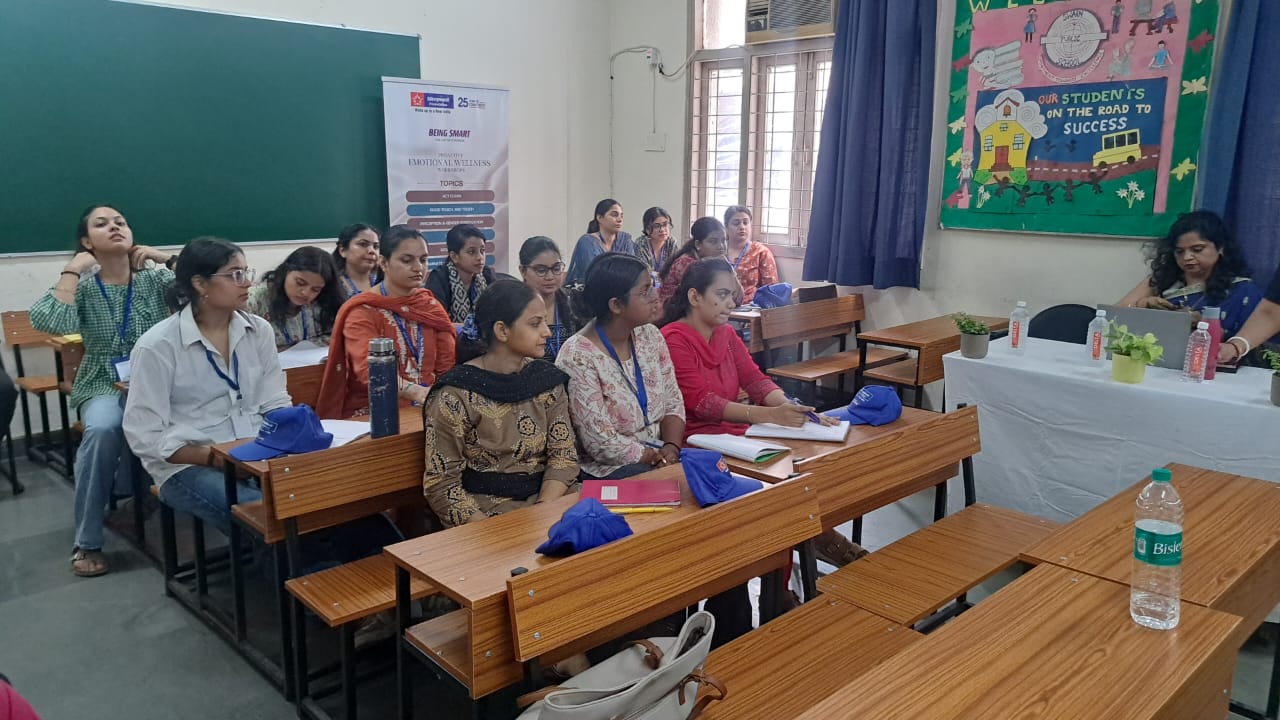
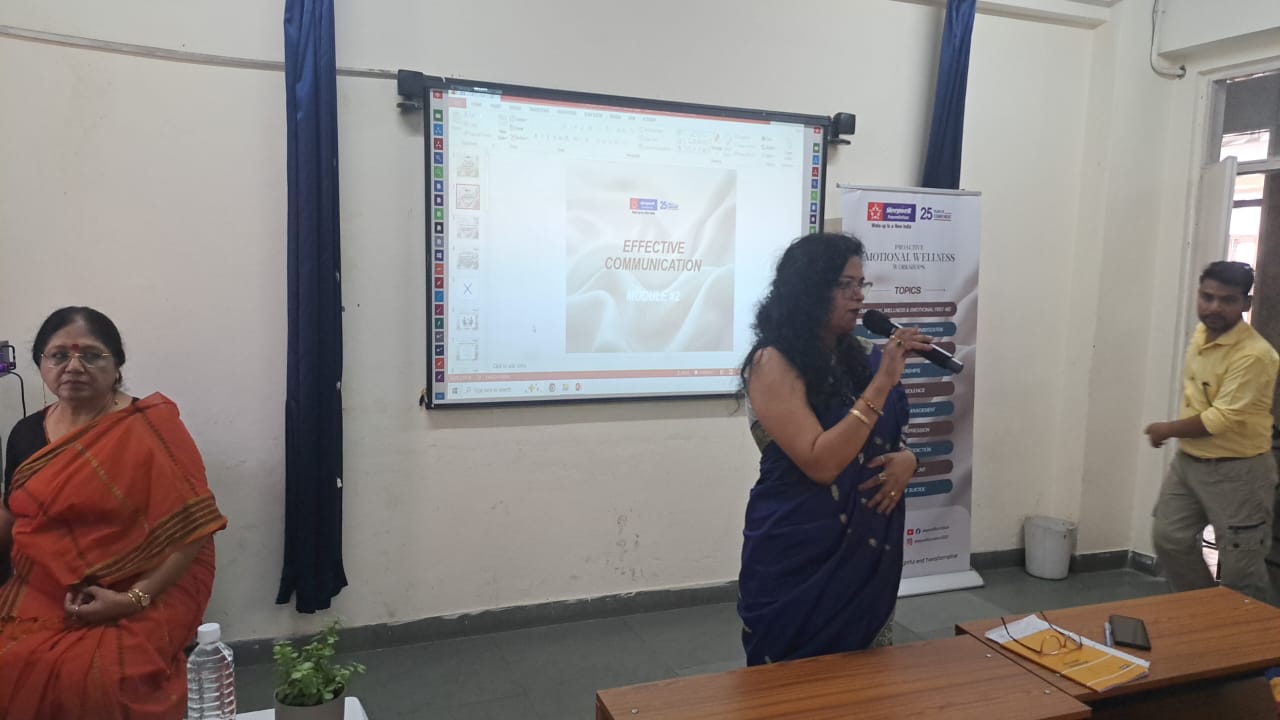
A two-session experiential and participatory teacher training workshop on Communication Skills and Handling Difficult Students & Situations was conducted for 60 teachers at Swarn Public School, Malviya Nagar, New Delhi, on 25 July 2026. Facilitated by Ms. Pratima Virwani and Ms. Praveen Gautam and organized by Sleepwell Foundation, the workshop used role plays, demonstrations, case discussions, reflective conversations, and activity-based exercises to connect theoretical concepts with real classroom situations. The Communication Skills workshop explored verbal and non-verbal communication, positive body language, active listening, empathy, rapport-building, and effective communication with parents. Engaging activities, including the Chinese Whisper–Dumb Charades icebreaker and the “May I Come In?” demonstration, helped teachers understand the impact of tone, body language, first impressions, confidence, and classroom presence.
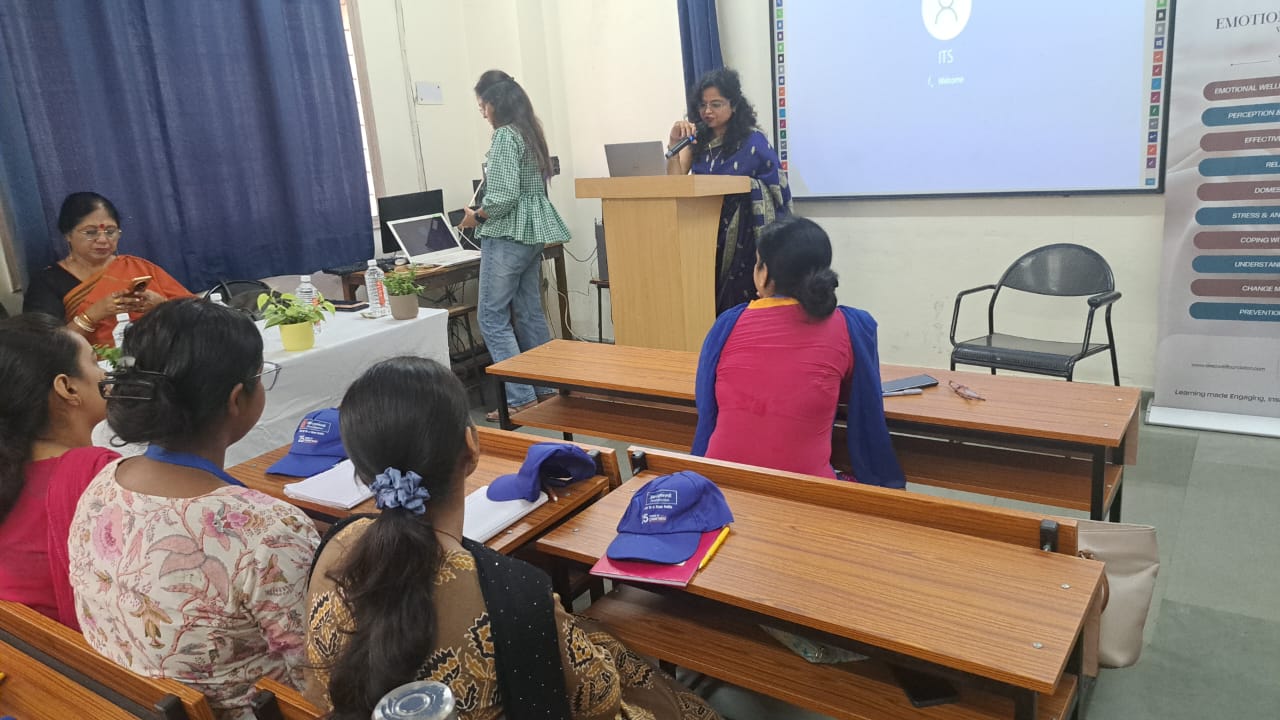
The session explored verbal and non-verbal communication through engaging activities, classroom scenarios, demonstrations, and role play. The Chinese Whisper–Dumb Charades activity highlighted how communication occurs beyond words, while the “May I Come In?” demonstration emphasized tone, body language, empathy, confidence, and first impressions. Teachers also discussed active listening, rapport-building, empathetic communication, and effective parent interactions.
The second workshop focused on understanding and managing behavioural, emotional, and academic challenges among students through real-life examples, case discussions, and interactive conversations. Teachers explored underlying causes of challenging behaviour and learned practical strategies including positive reinforcement, clear boundaries, conflict resolution, trust-building, empathetic discipline, and effective parent communication. Participants shared genuine classroom concerns and received practical guidance. The programme concluded with the video “Class of Rowdies,” reinforcing that every behaviour communicates a need and thoughtful responses can create positive change.