SOCIAL CHANGE THROUGH EMOTIONAL WELLNESS

Being Smart Workshop
at Dayanand Model School,
West Patel Nagar, New Delhi
292 Students Participated

EMOTIONAL WELLNESS WORKSHOPS

Date - 13 October 2025

Session - Stop Bullying
Trainer - Ms. Pratima Virwani & Ms. Aastha Kamra
Students - 148

Sleepwell Foundation conducted an interactive workshop on bullying at Dayanand Model School, West Patel Nagar, New Delhi, on 13 October 2025 as part of its ongoing Emotional Wellness Programme. A total of 148 Students from Classes 8 to 10 participated across two batches. The session aimed to help students understand the nature and forms of bullying, recognise early signs, and develop empathy and healthy coping strategies.

The workshop opened with a discussion on the significance of addressing bullying during adolescence, bridging theoretical concepts with real-life experiences. Key points included different forms of bullying, the risks of cyberbullying, safe response strategies, and the importance of empathy. Skits, video screenings, and interactive discussions encouraged active engagement, with students asking thoughtful questions and sharing personal experiences.

The workshop received an encouraging response, fostering emotional awareness and confidence. It proved a valuable step towards promoting emotional literacy and respectful communication within the school community.

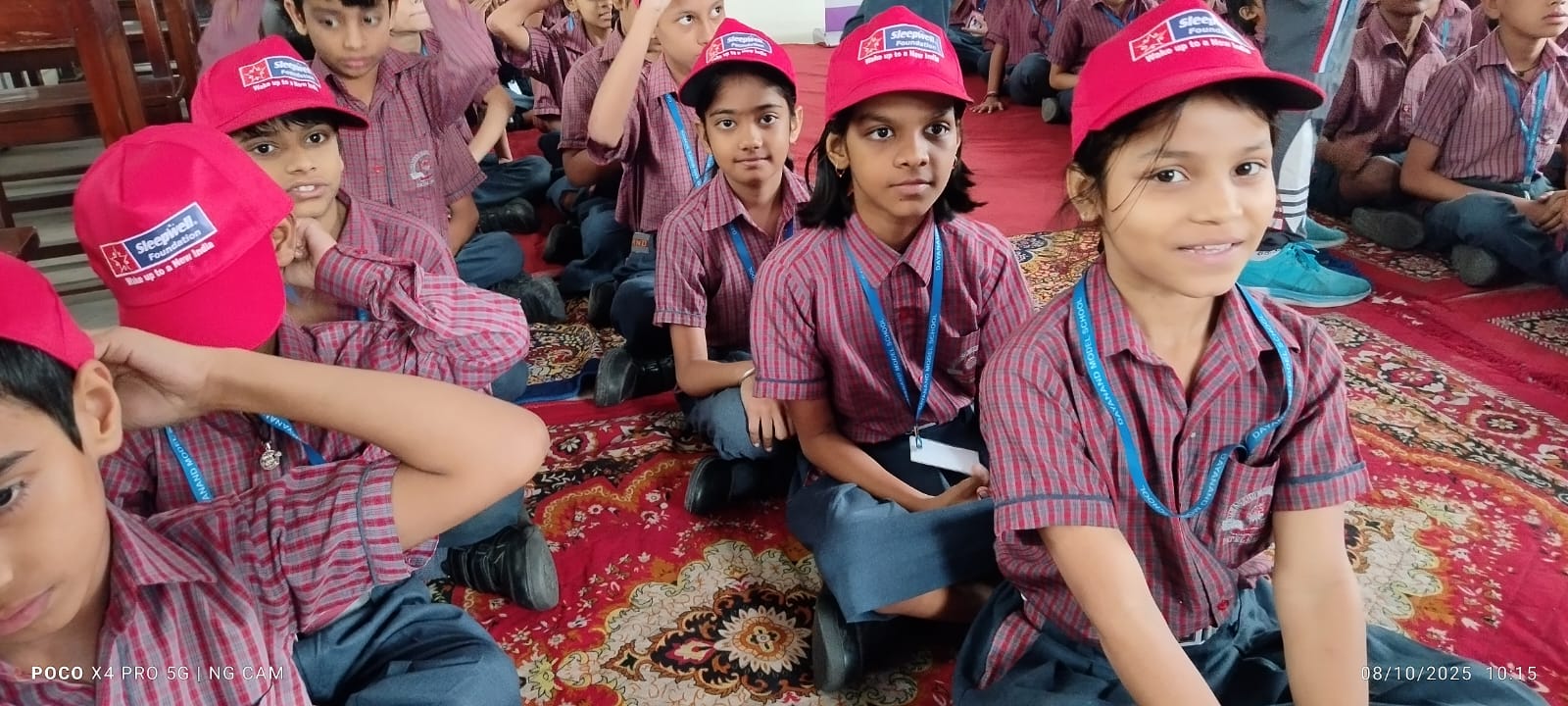
Date - 8 October 2025

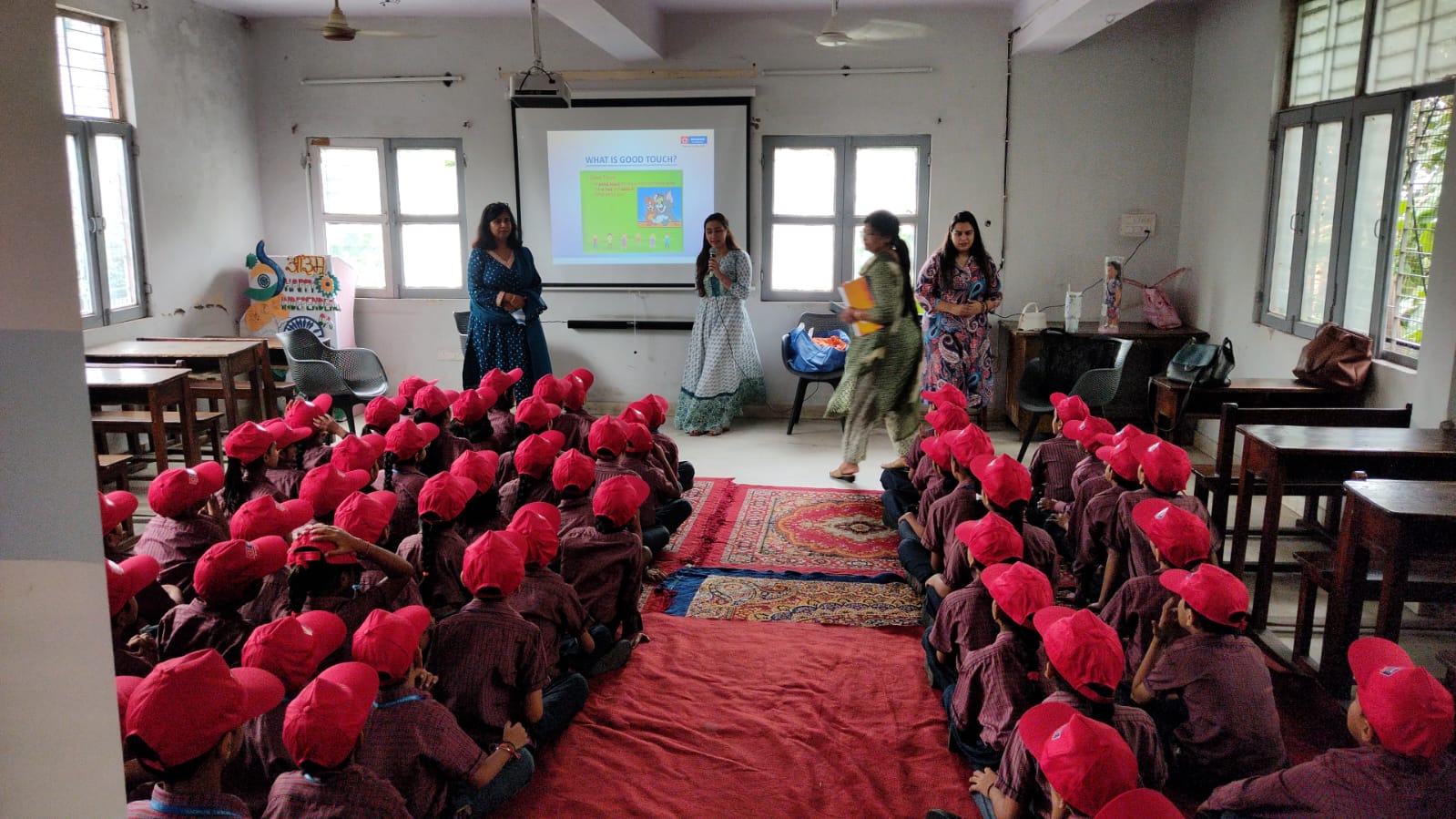
Session - Good Touch, Bad Touch
Trainer - Ms. Aastha Kamra & Ms. Teranika Sawhney
Students - 144

Sleepwell Foundation conducted a “Good Touch, Bad Touch” workshop for Class 4 and 5 students of Dayanand Model School, West Patel Nagar, New Delhi, on 8th October 2025, aiming to spread awareness about personal safety and empower children with essential knowledge to protect themselves. A total of 144 Students participated in two interactive and age-appropriate sessions.

The workshop began with a fun ice-breaking activity, “Simon Says,” which helped students feel comfortable and created an open environment for learning. Trainers then explained good touch and bad touch in a simple, relatable manner. Bad touch was illustrated with easy-to-understand examples of unsafe situations, while good touch focused on caring, protective gestures from trusted adults. A video portraying a young child’s experience reinforced the concepts, followed by introducing the child helpline number 1098.

The students actively participated throughout the workshop, demonstrating a clear understanding of the difference between good and bad touch and becoming aware of available help resources. The interactive, informative, and child-friendly sessions not only engaged the students but also contributed significantly to their psychological development, awareness, and overall safety education, leaving them empowered and confident to protect themselves.