SOCIAL CHANGE THROUGH EMOTIONAL WELLNESS

Being Smart WORKSHOP
AT De Indian Public
School, Rohini, New Delhi
350 Students Participated

EMOTIONAL WELLNESS WORKSHOPS

Date - 9 February 2026

Session - Puberty Workshop
Trainer - Ms. Aastha Kamra & Ms. Teranika Sawhne
Students - 100

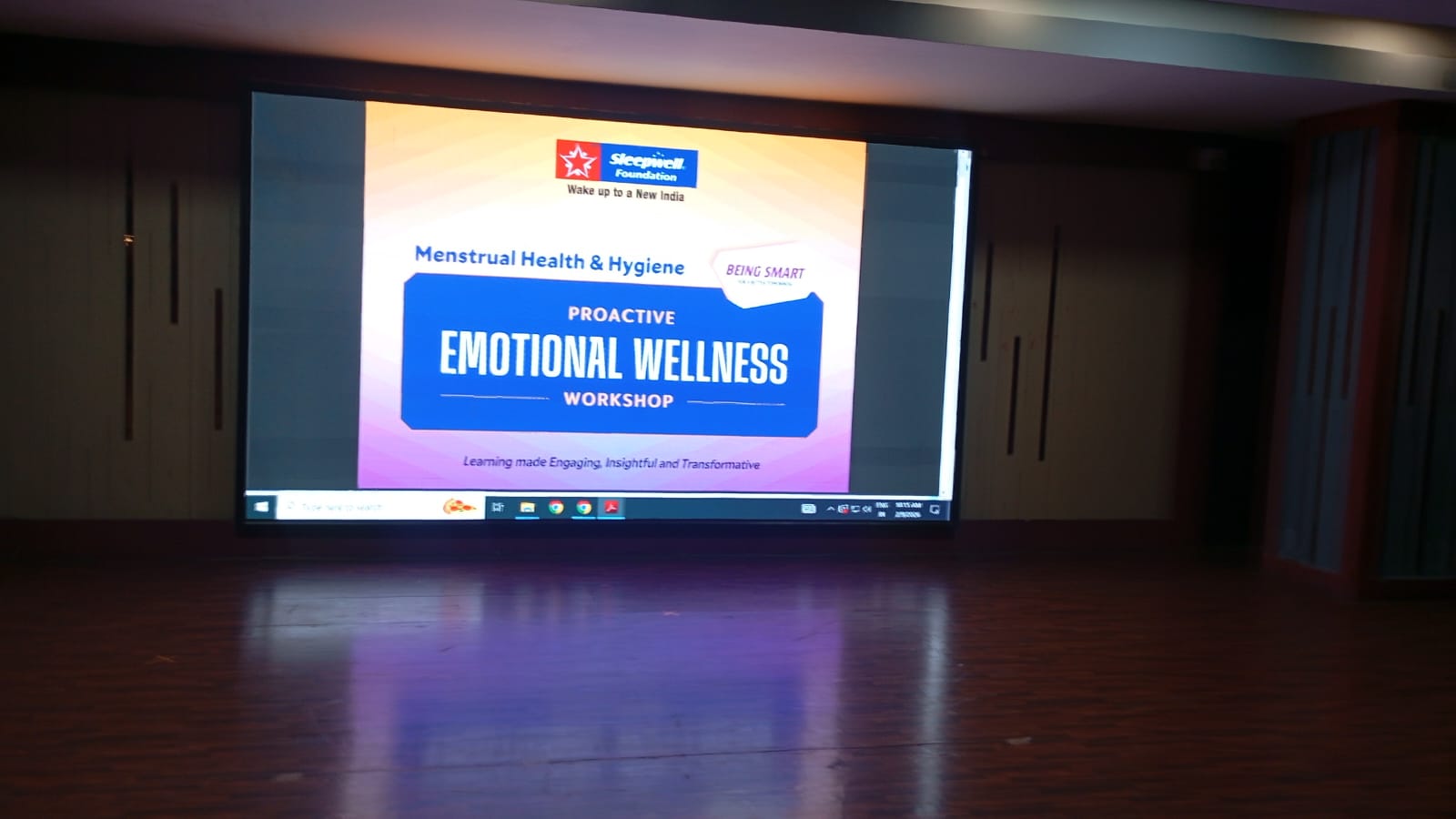
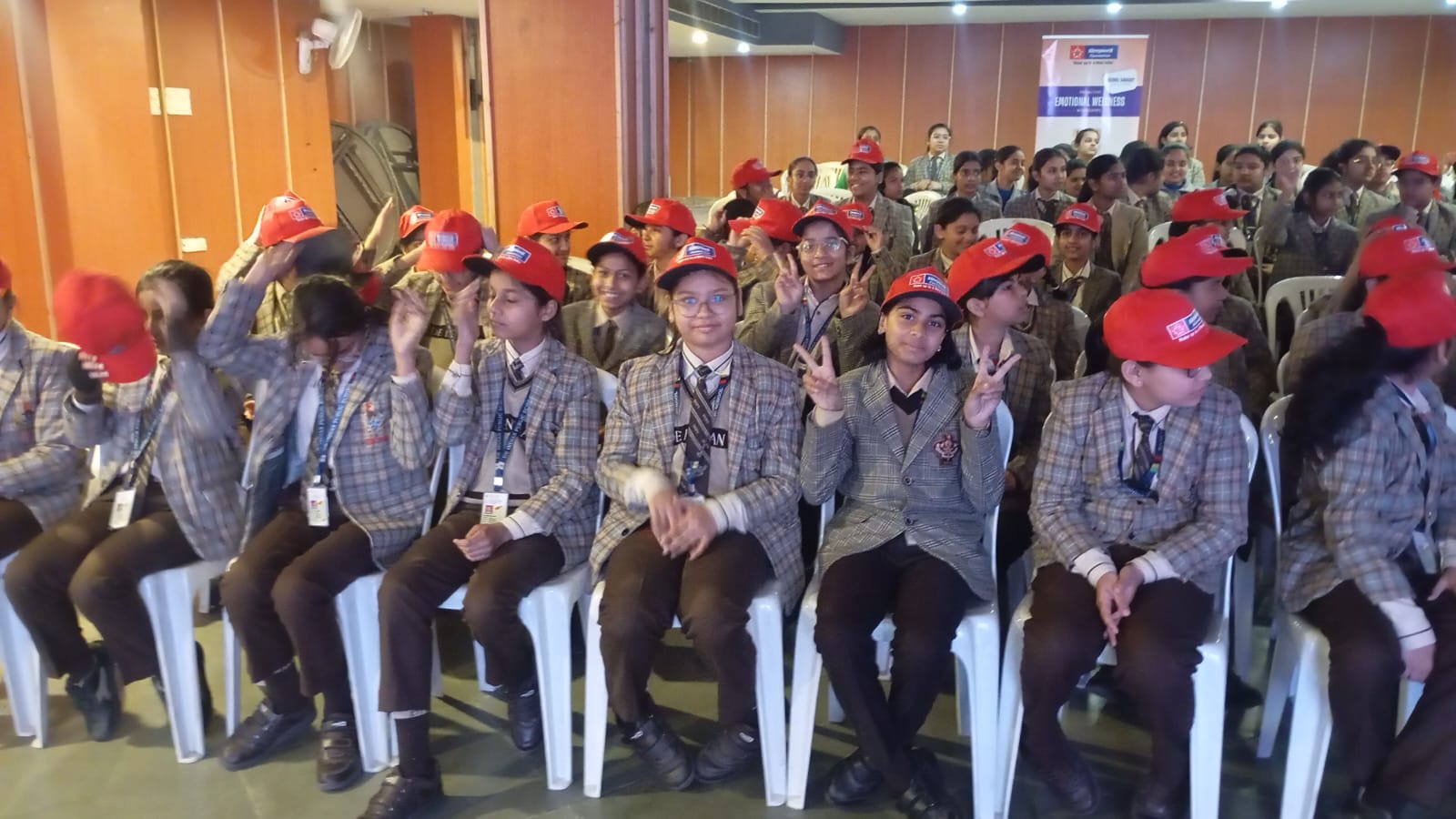
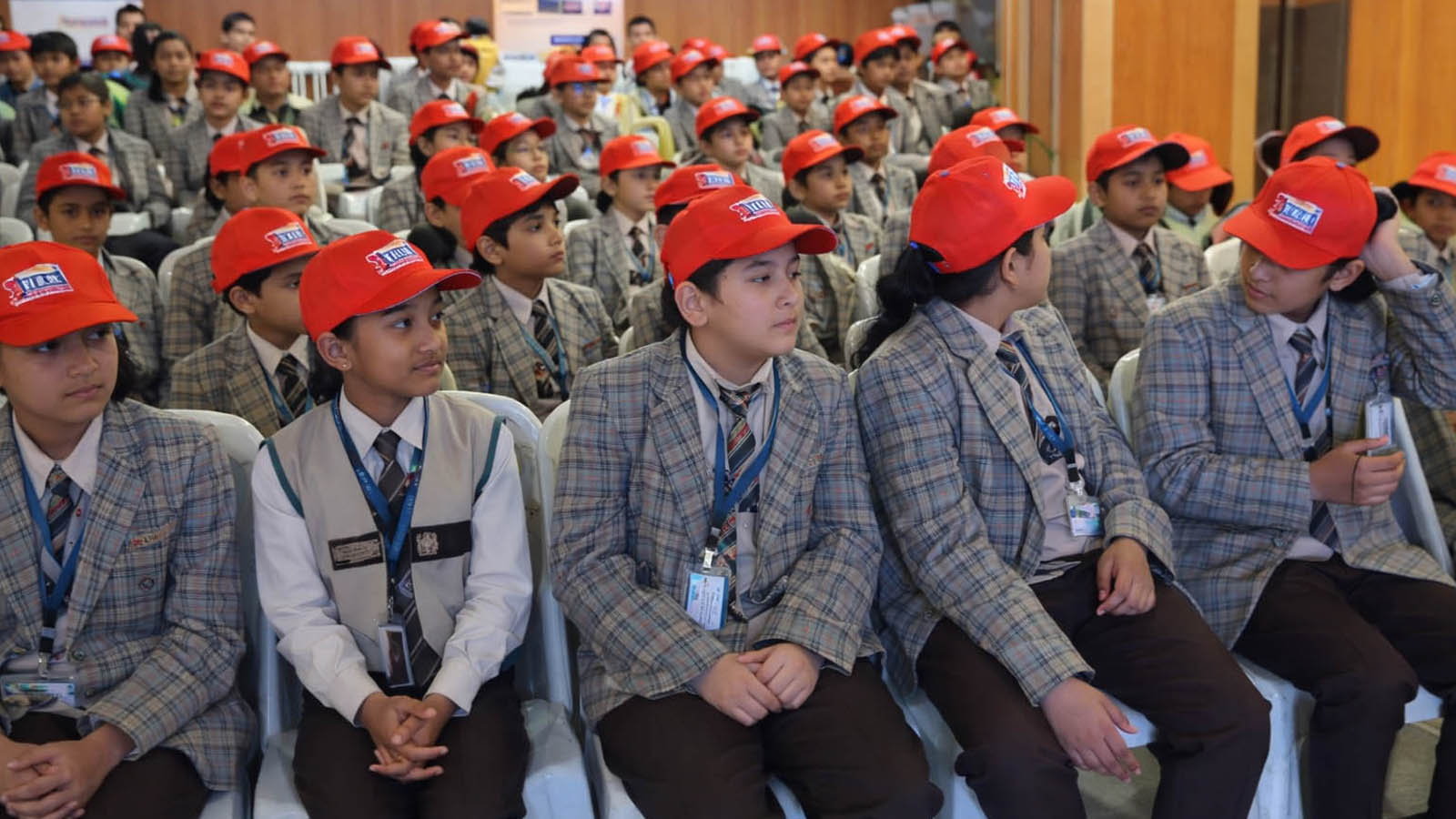
Sleepwell Foundation conducted a workshop on Menstrual Health, Hygiene, and Psychological Well-Being at De Indian School, Rohini, Delhi, on 9th February 2026, educating adolescent girls about puberty and menstruation in a safe, supportive environment. A total of 100 Students participated in two batches.

The session began with an interactive discussion on puberty, biological changes, and emotional well-being. Students engaged actively, asking thoughtful questions and helping foster an open dialogue. Key topics included menstrual cycles, hygiene practices, pregnancy-related changes, temple visits, and common superstitions. Myths were addressed with scientific clarity, reinforcing that menstruation is a natural biological process.

Practical guidance on menstrual hygiene management covered timely pad changes, personal cleanliness, and safe disposal methods. A demonstration and educational video strengthened understanding. The workshop concluded with a quiz and puzzle, reflecting strong comprehension and enthusiasm.

The session successfully created awareness, reduced stigma, and encouraged positive, confident conversations around menstruation.

Date - 21 January 2026

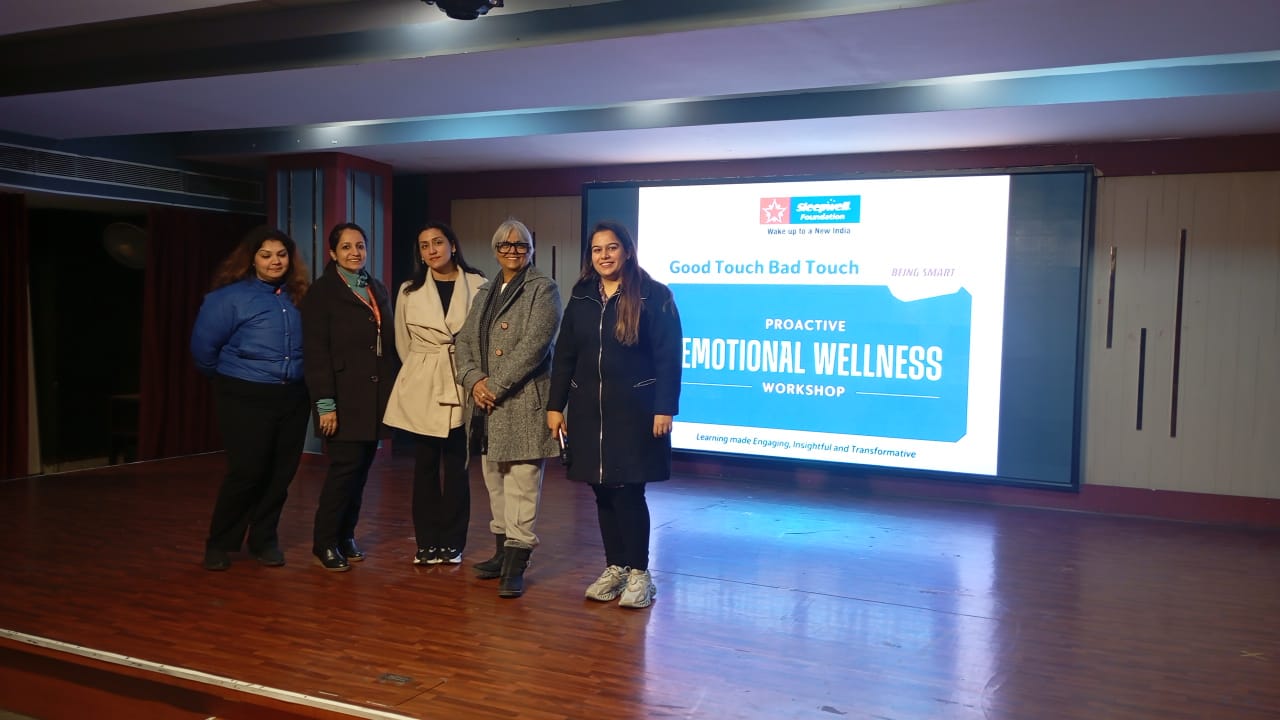
Session - Good Touch, Bad Touch Workshop
Trainer - Ms. Aastha Kamra & Ms. Teranika Sawhne
Students - 250

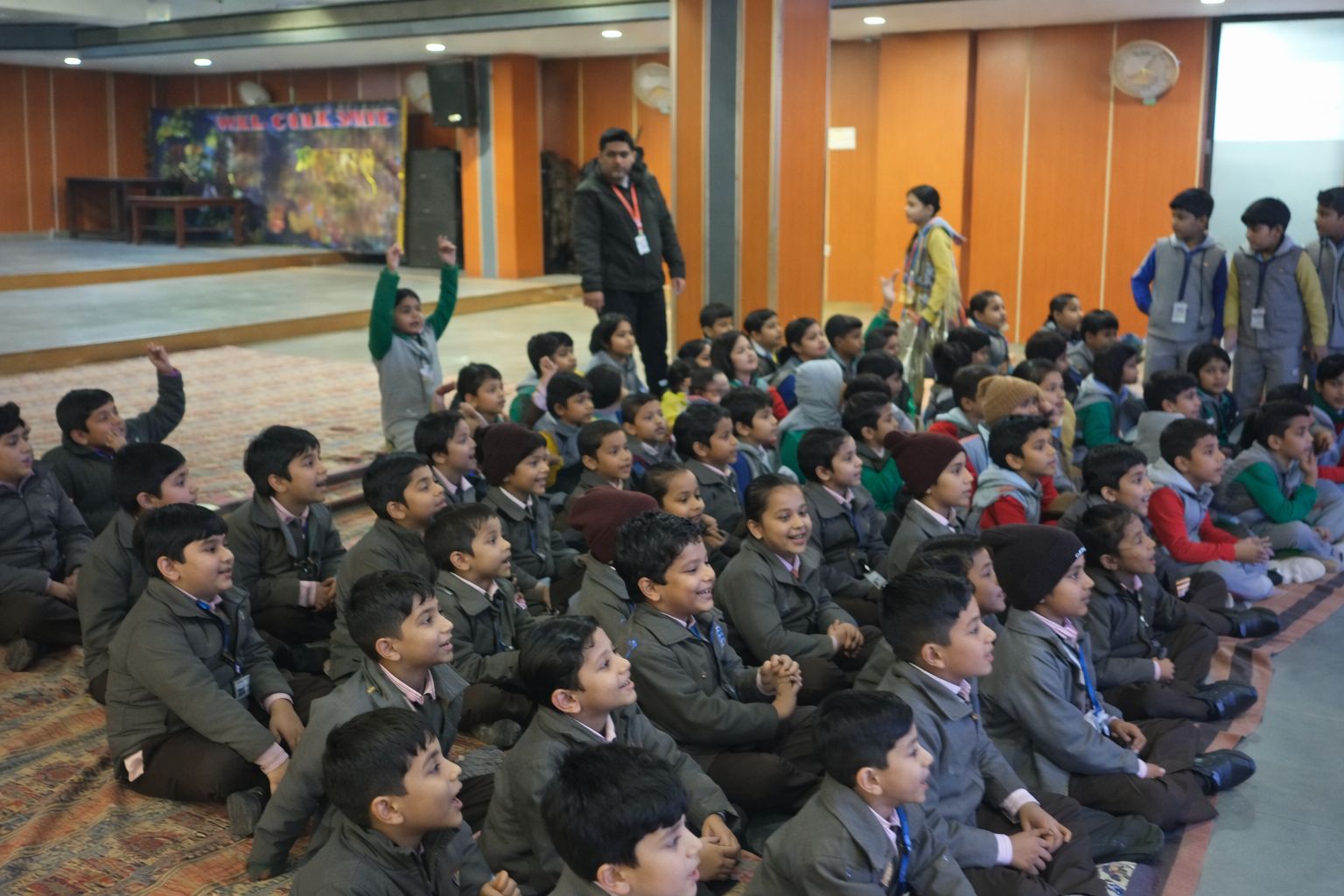
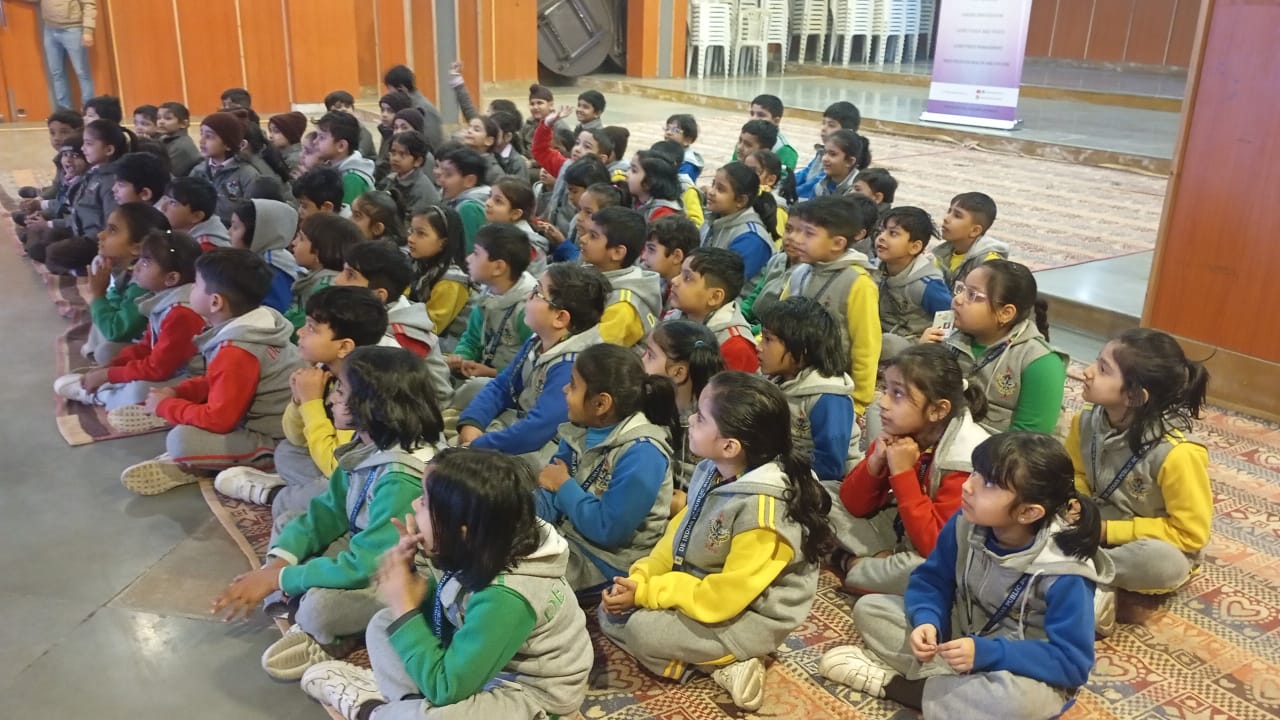
The Sleepwell Foundation conducted a Good Touch–Bad Touch Awareness Workshop for 250 Students of Classes IV and V at De Indian Public School, Rohini, Delhi on 21st January 2026. The workshop aimed to educate children about personal safety, body boundaries, and the difference between safe and unsafe touch in a sensitive, age-appropriate manner.

The session began with a lively icebreaker to build comfort and trust. The trainer explained the concepts of Good Touch and Bad Touch using simple, relatable examples, ensuring students felt secure throughout. Visual aids and a toy doll were used to clearly demonstrate safe and unsafe touch zones, making learning interactive and easy to understand.

Students were also introduced to the Child Helpline Number (1098) and practiced recalling it confidently. Through interactive discussions and activities, the session ended on a positive and reassuring note. By the conclusion, students showed improved awareness and confidence regarding their personal safety.