SOCIAL CHANGE THROUGH EMOTIONAL WELLNESS

A SERIES OF 10 ONLINE EMOTIONAL
WELLNESS WORKSHOPS FOR National Institute of Fashion Technology (NIFT)
1,276 Professors, Lecturers
and 2,520 Students
across India PARTICIPATED

EMOTIONAL WELLNESS WORKSHOPS

Sleepwell Foundation (SWF) organised a series of 10 online Emotional Wellness workshops for 2,520 students of the National Institute of Fashion Technology (NIFT) from 10th September to 10th October 2026. The sessions were conducted every Wednesday and Saturday from 4:00 PM to 5:30 PM in English and Hindi by Ms. Vickie Rai, Ms. Neelam Agarwal, Ms. Parmeet Kaur Manchanda, Mrs. Arvinder J. Singh, Ms. Suminder Kaur, Ms. Simi Hanspal and Ms. Veena Aggarwal, under the coordination of Ms. Sumita Kumari. The programme aimed to promote emotional awareness, psychological well-being, resilience and healthy interpersonal relationships through interactive activities, guided reflection, group discussions and practical coping strategies, helping students manage their emotions, cope with stress and anger, strengthen relationships, and navigate personal, academic and social challenges more effectively.

The series commenced with an inaugural session introducing Sleepwell Foundation (SWF), its vision and its work in promoting emotional wellness and preventive mental health awareness. Ms. Parveen Gautam welcomed the trainers and participants, outlined the Foundation’s vision, and briefed students on the objectives of the workshop series. In her opening remarks, Ms. Namita Gautam, Managing Trustee of Sleepwell Foundation, emphasised the importance of emotional wellness in student life, academic performance, relationships and personal development. Dr. Prof. Ajit Kumar Khare, Director, NIFT Mumbai, encouraged participants to remain actively engaged and attentive throughout the ten Proactive Emotional Wellness Workshops. Emotion-based visual triggers were introduced at the beginning of the sessions to encourage self-reflection and help students connect with the themes, while trainers were introduced before their respective sessions.

The ten workshops covered a range of essential emotional wellness themes, equipping students with practical knowledge and skills for their personal, academic and social lives. The sessions addressed Emotional Wellness and Emotional First-Aid, Perception and Gender Sensitisation, Effective Communication, Healthy Relationships, Invisible Violence, Stress and Anger Management, Coping with Depression, Understanding Addiction, Change Management and Prevention of Suicide. Through interactive activities, discussions, role plays and reflection exercises, students explored emotional regulation, empathy, inclusivity, interpersonal boundaries, abuse awareness, healthy coping mechanisms and responsible decision-making. Practical models, such as the Anger Iceberg and the Traffic Light Model, helped students understand emotional triggers and respond constructively to challenging situations. The sessions also emphasised recognising signs of emotional distress, supporting peers, challenging misconceptions surrounding mental health and addiction, and seeking professional assistance when required. The concluding session on suicide prevention, conducted by Ms. Arvinder J. Singh, reinforced the importance of recognising warning signs, communicating with empathy and providing timely support.

The workshop series aimed to enhance students’ emotional awareness, self-regulation, communication skills, understanding of healthy relationships, gender sensitivity and mental health awareness. Students were introduced to practical coping strategies for managing stress, anger, change and peer pressure, fostering empathy, resilience and responsible decision-making. Initial sessions witnessed some instances of indiscipline and inappropriate online comments; however, subsequent workshops were comparatively smoother. Attendance and participation varied across sessions, highlighting the need for active moderation and stronger institutional coordination. Interactive activities, visual prompts and discussions encouraged reflection and practical learning. For future programmes, it is recommended to establish clear online conduct guidelines, strengthen institutional monitoring, maintain session-wise attendance records, encourage structured participation and conduct follow-up workshops on emotional resilience, stress management, healthy relationships and mental health awareness.

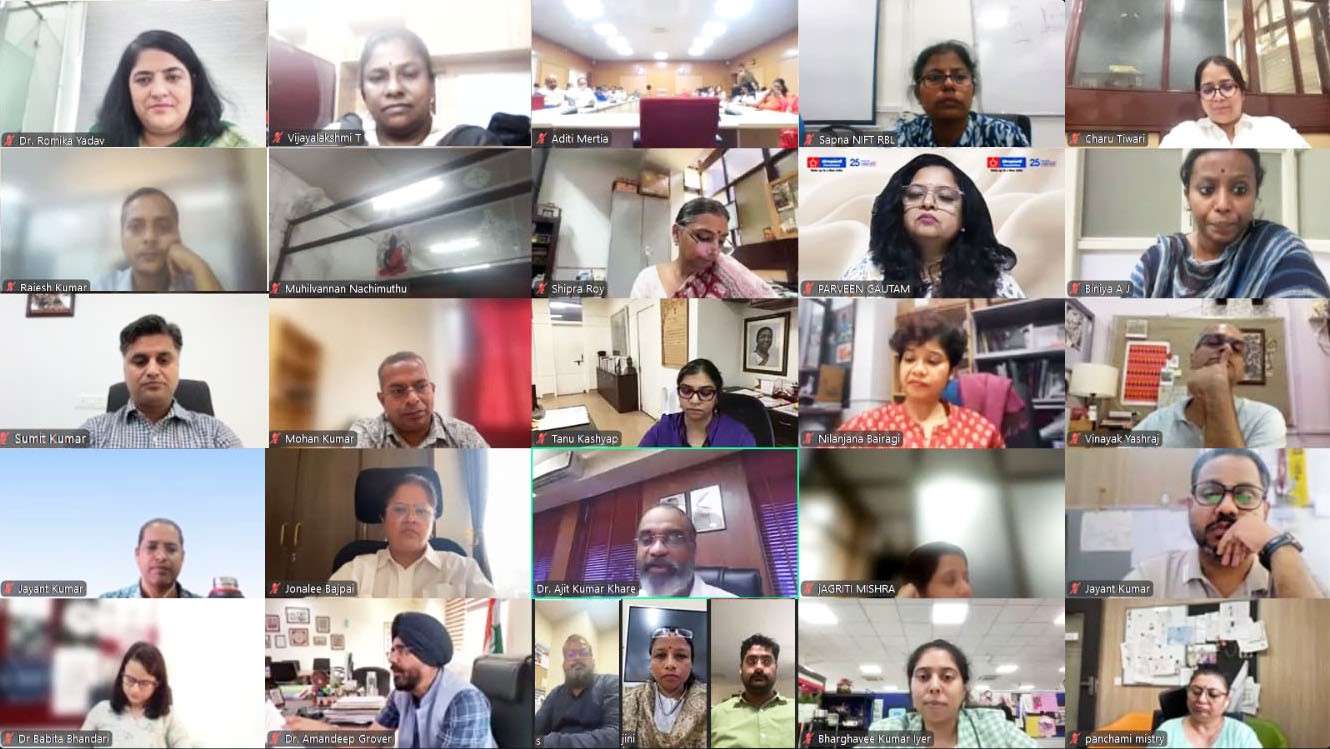
Sleepwell Foundation conducted a 10-session online Emotional Wellness Series for NIFT Faculty, Professors and Lecturers across India from 8th July to 9th September 2026. The programme focused on emotional awareness, self-regulation, relationships, communication, stress management, and practical life skills. The sessions were conducted by Ms. Vickie Rai, Ms. Neelam Agarwal, Ms. Parmeet Kaur Manchanda, Mrs. Arvinder J. Singh, Ms. Suminder Kaur, Ms. Simi Hanspal, and Ms. Veena Aggarwal. The programme used emotion-based visual triggers, interactive activities, role plays, and reflection exercises to make learning engaging and experiential, with a total participation of 1,276 NIFT faculty members, professors and lecturers.

The series commenced with a formal inauguration that created a reflective and engaging learning environment. Ms. Parveen Gautam welcomed the trainers and participants and introduced Sleepwell Foundation and the Emotional Wellness Series, along with the work and vision of Ms. Namita Gautam, Managing Trustee, Sleepwell Foundation. Ms. Shaili Tyagi delivered the introductory address, highlighting the importance of emotional wellness and its long-term benefits for individual and social well-being.

Prof. Dr. Ajeet Khare, Director, NIFT Mumbai, addressed the gathering as the Chief Guest and emphasized the importance of emotional balance for academic excellence and personal growth. The inaugural session concluded with a Vote of Thanks by Prof. Dr. Monica Gupta, Head, Academic Affairs, expressing appreciation to the organizers, trainers, and participants for their valuable contribution to the programme.

Session 1 – Emotional Wellness & First Aid

Introduced emotional wellness, emotional first aid, immediate coping strategies, emotional regulation, and self-care practices for maintaining emotional balance and overall well-being.

Session 2 – Perception & Gender Sensitization

Explored perception formation, stereotypes, biases, and gender conditioning while promoting inclusivity, equality, respect, and awareness of personal beliefs and assumptions.

Session 3 – Effective Communication

Focused on communication styles, active listening, communication barriers, body language, and expressing thoughts clearly and empathetically through interactive role plays.

Session 4 – Relationships

Highlighted mutual understanding, emotional connection, collaboration, and shared responsibility through the concept “I + You = We,” supported by reflection activities.

Session 5 – Invisible Violence

Created awareness about different forms of abuse, the cycle of abuse, warning signs, contributing factors, support systems, and preventive measures.

Session 6 – Stress & Anger Management

Explored stress, eustress, distress, anger triggers, common myths, and the Anger Iceberg Model, with practical strategies for constructive emotional responses.

Session 7 – Coping with Depression

Addressed depression myths, symptoms, warning signs, self-help strategies, empathetic peer support, stigma reduction, and the importance of seeking professional assistance.

Session 8 – Understanding Addiction

Explored addiction, particularly alcohol dependency, the addiction cycle, myths, peer pressure, environmental influences, responsible choices, and preventive strategies.

Session 9 – Change Management

Focused on managing change using the Traffic Light Model—Stop, Pause, Continue—while developing adaptability, reflection, positive thinking, and effective coping skills.

Session 10 – Prevention of Suicide

Focused on understanding suicidal thoughts, recognizing warning signs, encouraging open communication, providing timely support, and promoting empathy and collective responsibility.

Closing Session

The Emotional Wellness Series concluded with a formal closing ceremony. Ms. Namita Gautam, Managing Trustee, Sleepwell Foundation, delivered the closing remarks, appreciating the enthusiastic participation and consistent commitment of the NIFT Faculty throughout the programme. She also highlighted SWF’s initiatives towards promoting emotional wellness and creating greater awareness within the community. Ms. Tanu Kashyap, IAS, Director General, NIFT, graced the occasion as the Chief Guest and appreciated Sleepwell Foundation for conducting the series and its continued support.

Ms. Tanu Kashyap also welcomed SWF’s agreement to extend similar emotional wellness sessions to NIFT students, further strengthening the focus on well-being across the NIFT community. The ceremony concluded with a Vote of Thanks by Prof. Dr. Ajeet Khare, Director, NIFT Mumbai, who expressed appreciation for the initiative and the efforts undertaken by Sleepwell Foundation